Unit History
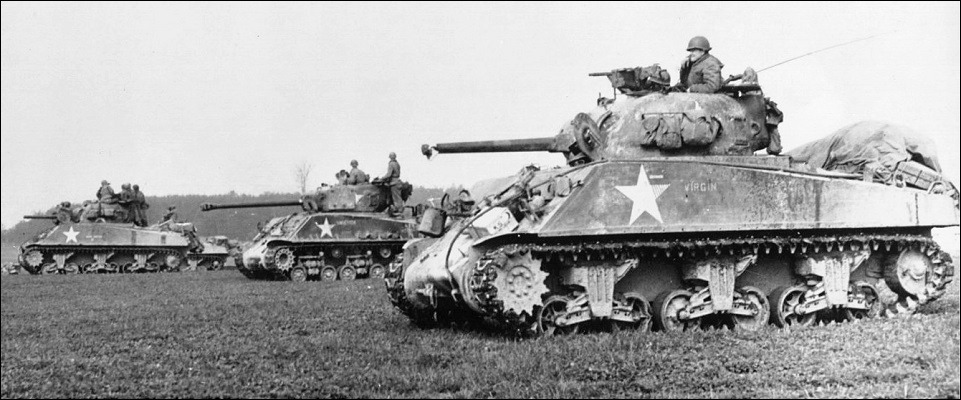
During World War II, the U.S. Army developed mechanized headquarters as part of its broader shift from horse-mounted and static command structures to mobile, combined-arms warfare. Drawing on lessons from early German Blitzkrieg successes and large-scale maneuvers conducted in the late 1930s and early 1940s, the Army reorganized divisional, corps, and army headquarters to operate with trucks, jeeps, half-tracks, and armored command vehicles. These mechanized headquarters were designed to move rapidly with advancing forces, maintain continuous communications through radios and wire teams, and coordinate infantry, armor, artillery, engineers, and air support in fast-moving operations. By campaigns in North Africa, Italy, and Northwest Europe, U.S. mechanized headquarters had become highly standardized, emphasizing flexibility, decentralized decision-making, and logistical control—key factors that enabled Allied forces to sustain momentum across vast distances and complex battlefields.
Our Vision
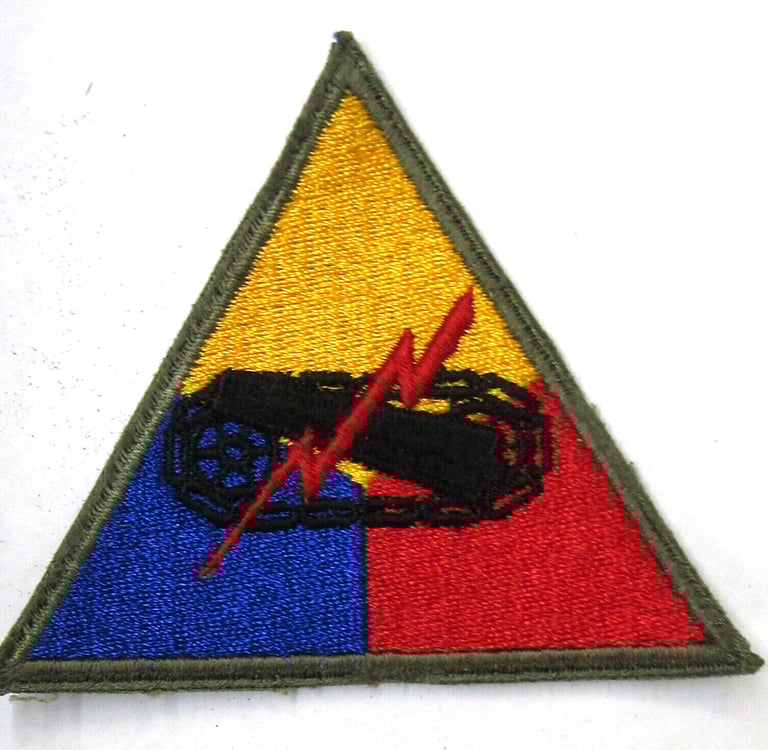
The mission of Headquarters, U.S. Mechanized Forces is to represent one of the three main mechanized forces in the United States Army in WW2.: Armor(tanks), Cavalry, and Tank Destroyers. There are two main approaches as how this mission is accomplished. The primary emphasis is to represent the activities of either a combat command post or a reconnaissance element in the field at reenactments open to the public. Typically, a command element of an Armored Division Combat Command, a Cavalry Reconnaissance Group or Squadron, or a Tank Destroyer Battalion is portrayed. The secondary purpose is to provide a structured and working headquarters of mainly G-3/S-3: Operations & Planning and G-2/S-2: Intelligence, with Communications personnel attached. This HQ works chiefly for "Ghosts of 1945" reenactment group,; however, when requested the HQ will also assist in that capacity for other reenacting units or WW2 events.

If you’re interested in joining a WWII mechanized headquarters reenactment unit, you’ll experience a unique side of living history focused on command, communication, and mobility rather than front-line combat. Participants portray staff officers, radio operators, drivers, and clerks, using period-correct vehicles, uniforms, maps, and equipment to recreate how units planned and coordinated operations in the field. It’s an excellent opportunity for those who enjoy research, teamwork, and historical accuracy while contributing to an immersive and educational portrayal of the U.S. Army in World War II.
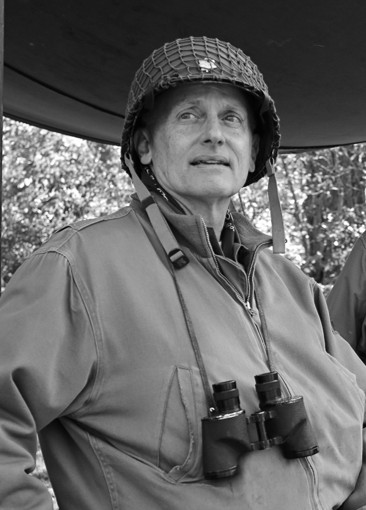
Bo Johnstone
Mechanized Headquarters
Major(reenacted)
Leadership Contact